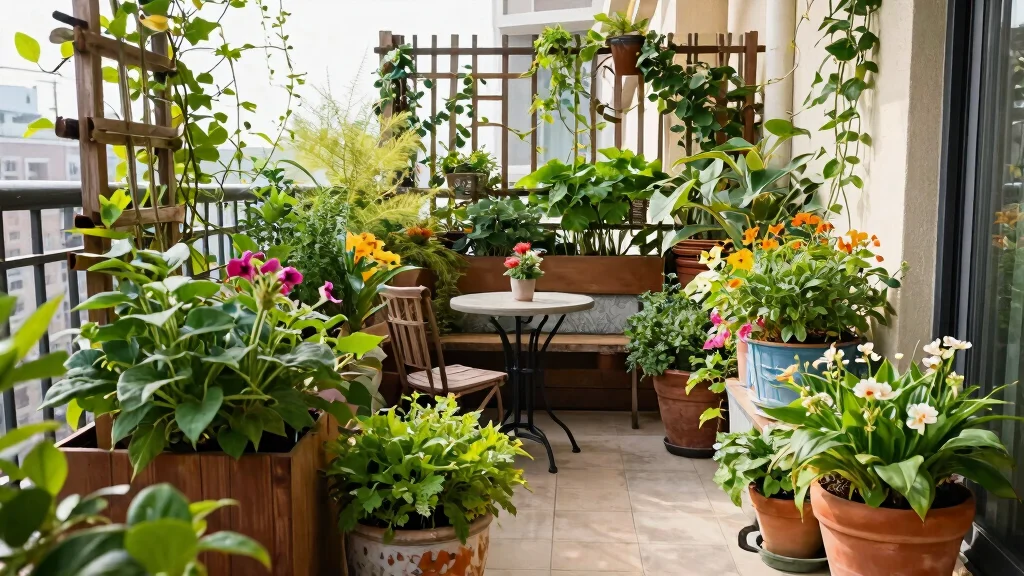
If you’re living in an urban environment, you might be craving a little greenery on your balcony but worry about wind and limited sunlight. Trust me, I get it. The struggle of keeping plants alive in challenging conditions can feel overwhelming. That’s exactly why I crafted this guide. I want to help you discover 14 hardy plants that not only thrive in windy areas but also flourish in lower light conditions. With these options, your balcony can become a vibrant oasis, no matter the environmental hurdles.
This post is tailored for urban gardeners, sun-seekers, and anyone looking to brighten up their outdoor space without battling the elements. Whether you’re a seasoned gardener or a beginner, you’ll find useful tips to create a beautiful balcony garden that showcases your unique style. You’ll learn about wind-resistant plants, low-light options, and clever container gardening ideas that will help you make the most of your limited space.
Get ready to explore various plant options that are resilient, colorful, and suited for your urban balcony. Below, I’ve gathered a diverse selection of plants and gardening tips that promise to bring life and joy to your outdoor retreat, all while standing strong against the wind and adapting to limited sunlight.
Key Takeaways
– Discover 14 hardy plants that can survive strong winds and thrive in low light, ensuring your balcony stays lively and inviting.
– Learn about wind-resistant plants that are perfect for urban environments, providing a beautiful aesthetic while withstanding harsh conditions.
– Explore low-light balcony plants that won’t require constant sunlight, making them ideal for shaded areas or cooler climates.
– Get practical balcony gardening tips to maximize your small space, from container gardening ideas to vertical gardening solutions.
– Find out how to incorporate colorful blooms and lush greens into your space with resilient options that add personality without much fuss.
1. Hardy Succulents: The Perfect Wind Tolerance
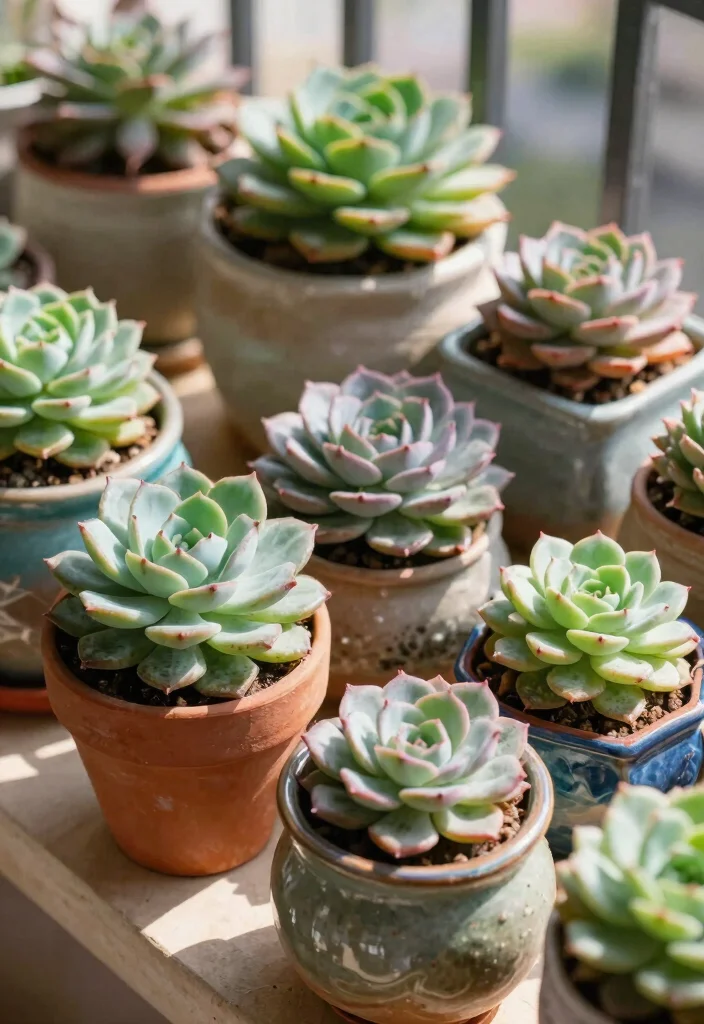
You want plants that can brave the wind and still thrive? Succulents are your best friends. Their thick leaves store water, so they can handle dry spells while adding beautiful greenery to your balcony. Varieties like Hens and Chicks and Jade Plants offer a range of shapes and sizes, making it easy to find the perfect fit for your style.
These resilient plants do well in limited sunlight, perfect for balconies that don’t bask in the sun all day. Ensure you use pots with good drainage to keep roots healthy, and consider a mix of potting soil and sand for optimal growth.
Here are ways to care for your succulents:
– Avoid overwatering; let the soil dry out completely.
– Rotate pots to promote even growth on all sides.
– Use decorative pots that match your aesthetic for a personal touch.
With these hardy plants, you’ll enjoy unique textures and easy maintenance, even in challenging conditions.
2. Grasses for Movement and Texture
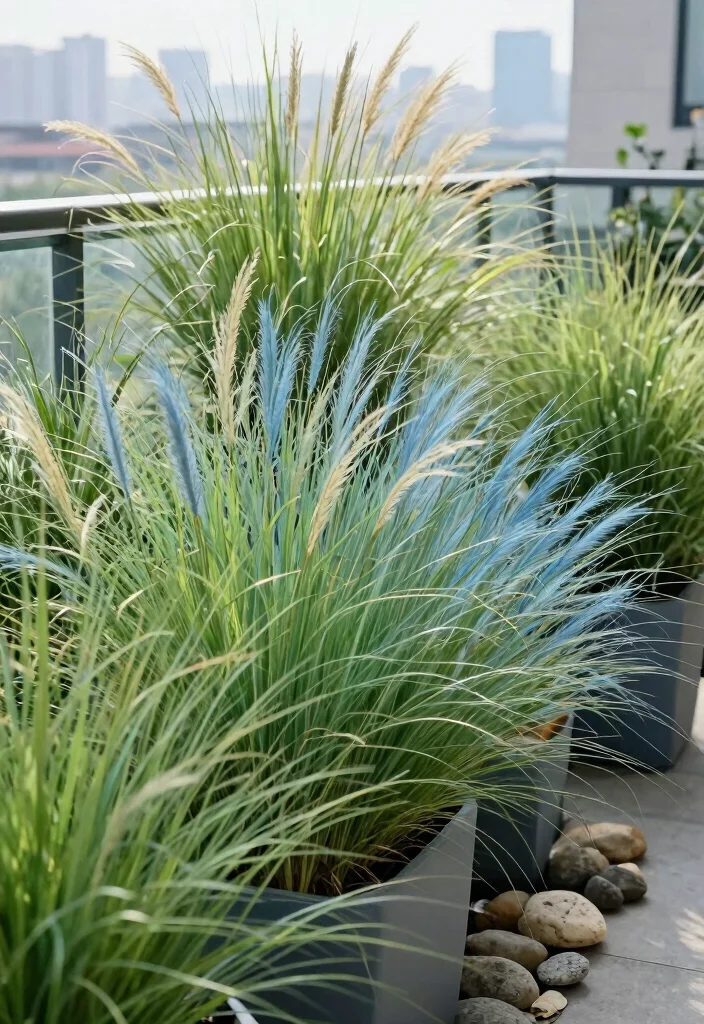
Looking to add a touch of elegance and movement? Ornamental grasses bring a dynamic feel to your balcony garden. Varieties like Pampas Grass and Blue Fescue sway beautifully in the wind, providing both beauty and resilience. They thrive in windy conditions while enhancing your outdoor space.
These grasses flourish in partial shade, making them ideal for balconies with limited sunlight. Opt for deep containers to anchor them against gusts, and mix different types for varied heights and textures.
Follow these tips for success:
– Select deep pots to prevent tipping in strong winds.
– Trim dead foliage in spring to promote new growth.
– Water deeply but infrequently to encourage robust root systems.
Incorporating ornamental grasses creates a lush, breezy atmosphere that feels welcoming and low-maintenance.
Top Varieties for Different Conditions
1. Hardy Succulents
– Best conditions: Dry, windy areas with limited sunlight.
– Key features: Succulents are perfect for balcony gardening because they store water in their leaves, making them drought-resistant. Varieties like Echeveria and Sedum thrive in containers and can handle breezy conditions well.
– Considerations: Ensure the soil drains well to avoid root rot. Too much water can harm these plants.
2. Ornamental Grasses
– Best conditions: Windy balconies with partial sunlight.
– Key features: Grasses like Blue Fescue and Japanese Blood Grass add movement and texture to your balcony. They sway beautifully in the wind and can survive in less light.
– Considerations: Grass can spread if not contained, so choose pots that are deep enough to hold their roots.
3. Petunias
– Best conditions: Partial shade with some wind exposure.
– Key features: Petunias bloom in various colors, adding a pop of color even in low light. They are also resilient and can handle wind without damage.
– Considerations: Regular deadheading helps keep blooms coming but may require some maintenance.
4. Ferns
– Best conditions: Shaded, humid environments.
– Key features: Ferns like Boston Fern and Maidenhair thrive in low light. They create a lush, leafy feel on your balcony and can tolerate some wind.
– Considerations: Ferns like consistent moisture and may need misting in dry weather.
5. Climbing Vines
– Best conditions: Vertical spaces in windy conditions.
– Key features: Vines like Sweet Peas and Morning Glories can climb trellises and railings, providing height and interest. They are sturdy against the wind and can brighten a space with flowers.
– Considerations: Ensure they have enough support and space to grow; some might need regular pruning.
6. Low-Maintenance Herbs
– Best conditions: Sunny spots but can tolerate partial shade.
– Key features: Herbs such as Rosemary and Thyme are great for urban gardening. They are tough and can survive wind while providing fresh flavors for cooking.
– Considerations: Regular trimming helps promote growth and keeps them tidy.
7. Cacti
– Best conditions: Hot, dry areas with intense sunlight.
– Key features: Cacti are the ultimate survivors. They need little water and can endure windy conditions. Varieties like the Golden Barrel Cactus stand out for their unique shapes.
– Considerations: Cacti generally prefer full sun, so ensure they get enough light and don’t over-water.
Climate/Condition Guide:
– Temperate: Choose hardy perennials and herbs that can handle seasonal changes. Look for plants that thrive in moderate sunlight and can tolerate some wind.
– Coastal: Focus on salt-tolerant varieties like certain grasses and succulents. Wind-resistant plants with lower water needs work best.
– Hot/Dry: Opt for cacti and drought-resistant plants. Ensure pots have good drainage for high temperatures.
– Humid: Ferns and shade-loving plants thrive well here. Keep an eye on humidity levels, as some may need more moisture.
– Continental: Consider a mix of hardy perennials and annuals that can survive temperature swings. Wind-resistant varieties work best.
Growing Tips:
– Ensure your containers have proper drainage to prevent root rot. 🌱
– Rotate plants seasonally to maximize light exposure and prevent overcrowding. 🌞
– Keep soil healthy by using organic compost for better growth. 🍂
Avoid:
– Over-watering plants, especially succulents and cacti, which can lead to rot. 💦
– Ignoring the wind direction, which can affect how much light and moisture your plants receive. 🌬️
3. Colorful Petunias: Low-Light Beauties
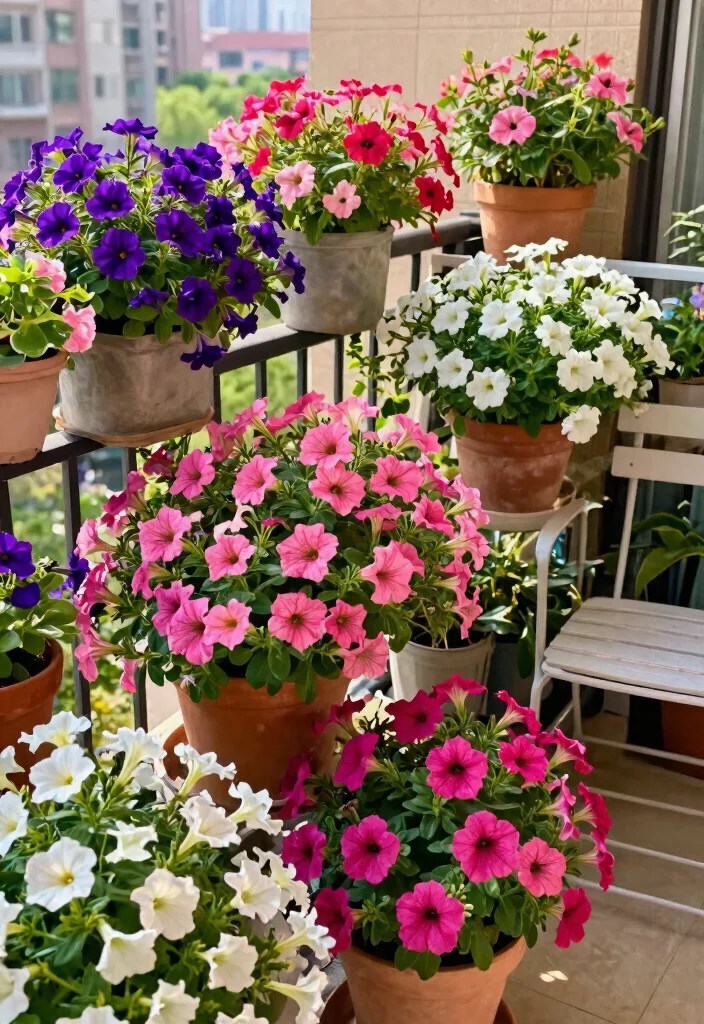
Want vibrant flowers even in shady spots? Petunias are a fantastic choice for your balcony. These cheerful blooms can tolerate some wind and come in a stunning array of colors, from rich purples to bright pinks, adding a splash of joy to your space.
Plant them in well-draining containers; while they enjoy sunlight, they can adapt to partial shade. Regularly deadheading encourages new blooms, keeping your balcony fresh and lively.
Here’s how to keep your petunias thriving:
– Water thoroughly but let the soil dry out between waterings.
– Fertilize every few weeks with a balanced liquid option.
– Mix spreading and upright varieties for an eye-catching display.
With petunias, your balcony will be a colorful haven that attracts pollinators and brightens your day.
4. Ferns: Lush and Leafy Companions
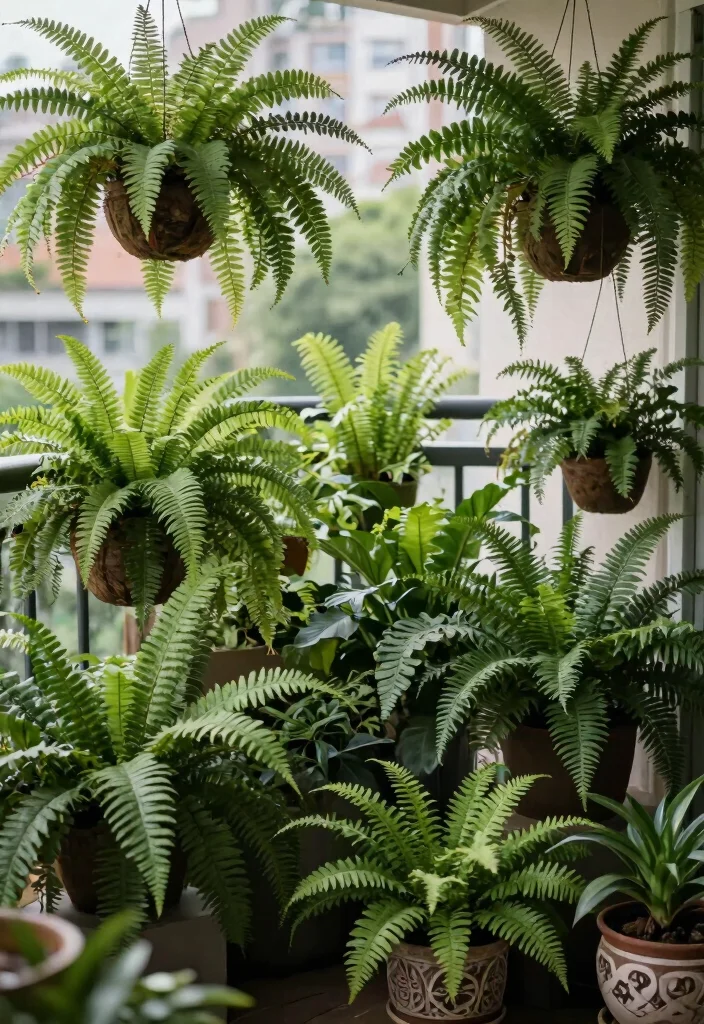
Dreaming of a lush green retreat? Ferns are perfect for creating a leafy paradise on your balcony. They thrive in low-light conditions, making them ideal for shaded areas. Varieties like Boston Fern and Maidenhair Fern add drama with their beautiful fronds.
Ferns appreciate humidity, so grouping them together can help create a microclimate that retains moisture. Using hanging baskets or tall planters showcases their stunning leaves while protecting them from harsh winds.
Keep these care tips in mind:
– Use moisture-retaining potting soil that drains well.
– Mist leaves regularly or place a water tray nearby for added humidity.
– Avoid direct sunlight, as it can scorch their delicate fronds.
Integrating ferns adds a calming vibe to your balcony, making it a peaceful escape in the city.
Your balcony can feel like a lush retreat even with limited sun. Ferns thrive in humidity, so group Boston Fern and Maidenhair in hanging baskets to create a leafy microclimate for your plants in balcony that stays vibrant in wind.
5. Low-Maintenance Herbs for Urban Spaces
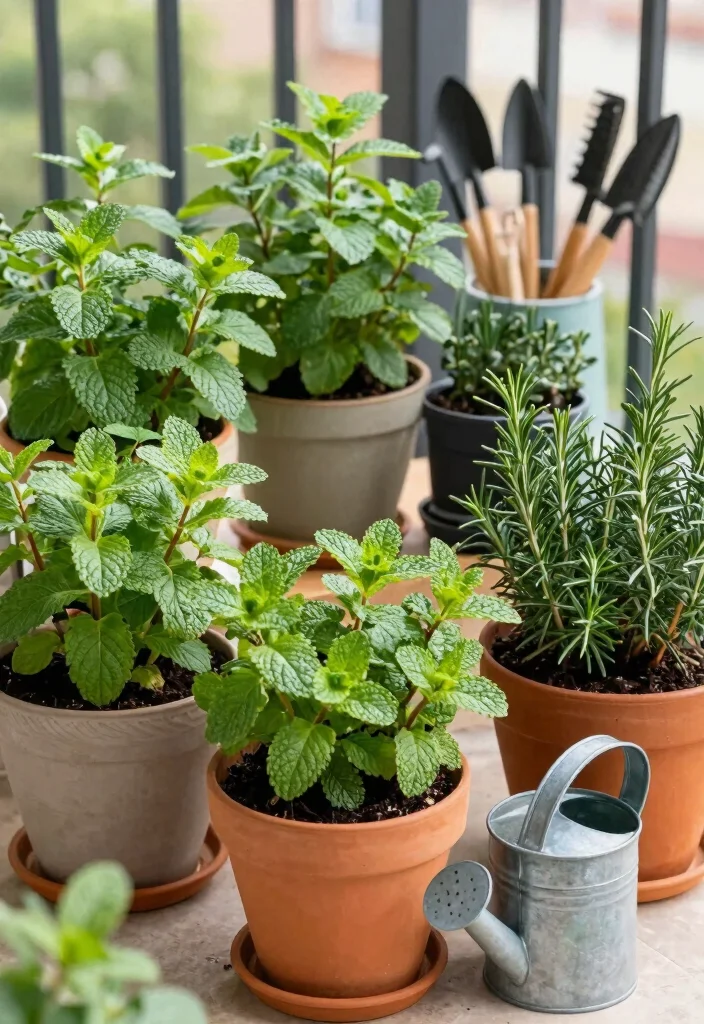
Want fresh flavors at your fingertips? Herbs like mint, rosemary, and thyme thrive on balconies and are easy to care for. These low-maintenance plants can survive in wind and need minimal sunlight, making them perfect for urban gardening.
Choose containers with proper drainage, as herbs don’t like sitting in water. Grouping them together creates a charming herb garden that’s both functional and beautiful.
Here’s how to care for your herbs:
– Ensure they get a few hours of sunlight daily, ideally in the morning.
– Prune regularly to encourage bushy growth and prevent legginess.
– Fertilize sparingly with organic options to enrich the soil.
With a little attention, your balcony herb garden will flourish, offering fresh ingredients for your meals and a delightful scent to enjoy.
Fun fact: mint, rosemary, and thyme can thrive on windy balconies with just 2-3 hours of sunlight and well-draining pots. Group them together for a compact herb garden you can snip daily. Pro tip: avoid soggy roots—drainage and sun-shy spots win for urban plants in balcony spaces.
6. Container Garden with Climbing Vines
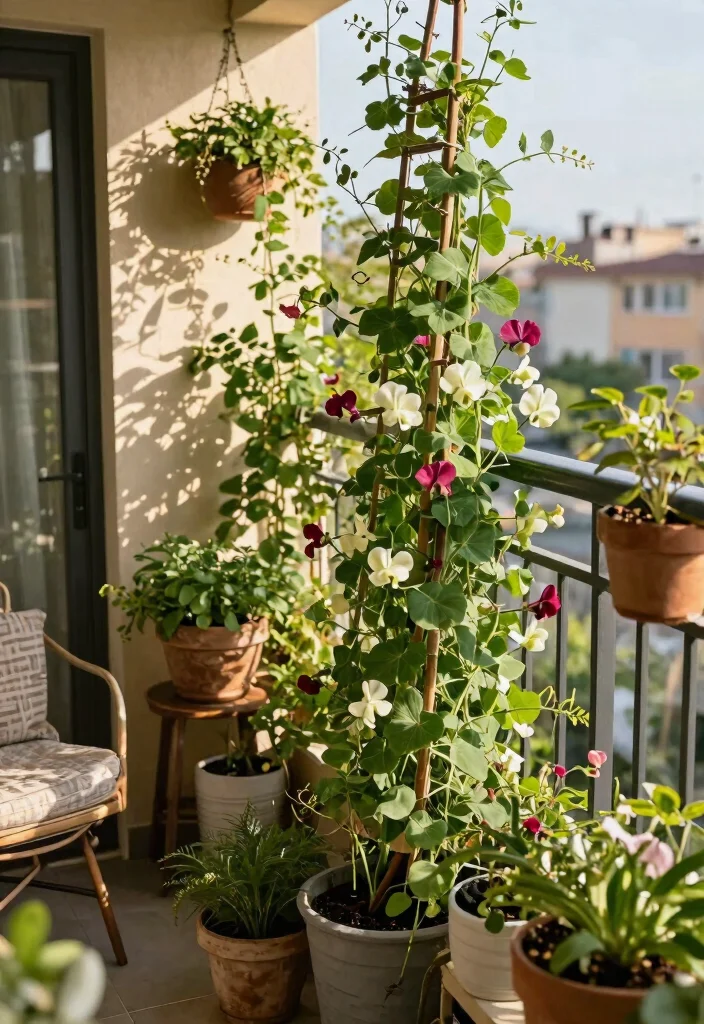
Looking to maximize your balcony space? Climbing vines can turn your outdoor area into a vertical garden. Plants like Sweet Peas and Scarlet Runner Beans thrive in containers, adding height and color while acting as natural windbreaks.
Install trellises or wire supports in your containers to encourage upward growth, creating a stunning visual effect as the vines intertwine.
Care tips for climbing plants include:
– Choose sturdy containers that allow for ample root growth.
– Regularly check for pests, as vines can attract bugs.
– Prune dead leaves to promote healthy growth and new blooms.
With climbing plants, your balcony transforms into a green oasis that maximizes limited space beautifully.
7. Shade-Tolerant Flowers for Color
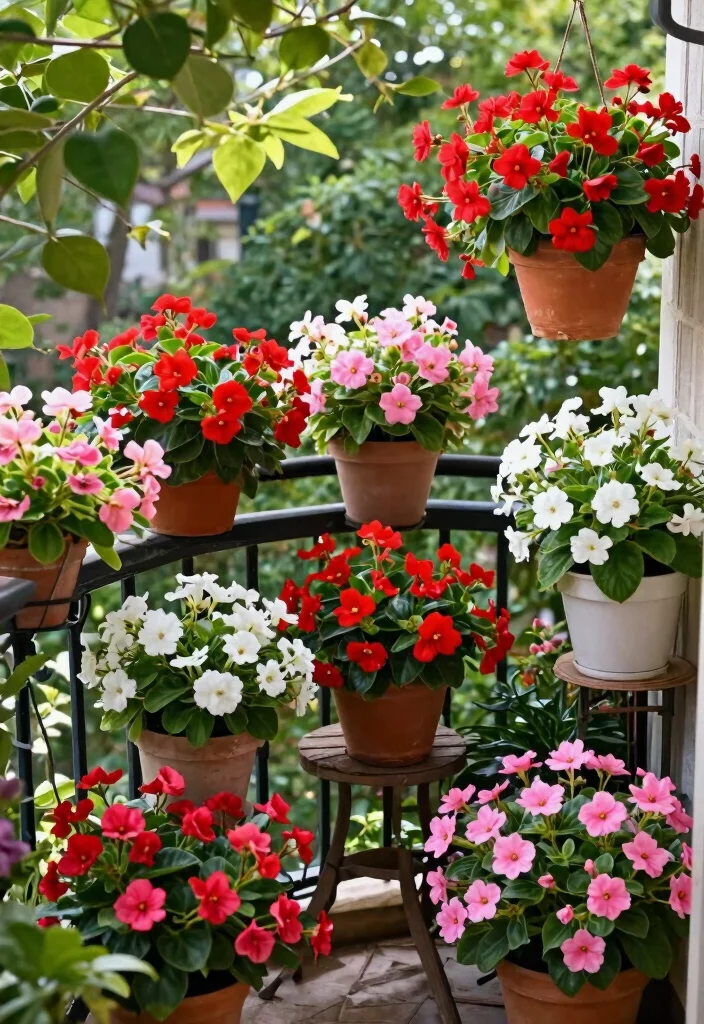
Want to brighten up those shady spots? Begonias and impatiens are perfect annual flowers for adding vibrant colors to your balcony. They bloom profusely in low light, making them ideal for tricky areas lacking sunlight. These flowers can withstand wind due to their flexible stems and sturdy petals.
Choose a rich potting mix to nourish the soil when planting. Hanging baskets or window boxes can showcase their beauty beautifully.
Here are tips for growing shade-tolerant flowers:
– Water consistently to keep the soil moist but not soggy.
– Fertilize monthly for the best blooming potential.
– Deadhead spent flowers to encourage continuous blooms all season.
Integrating these colorful blooms brings life to shaded areas, enhancing your balcony’s overall aesthetic.
8. Bold Cacti for Uniqueness
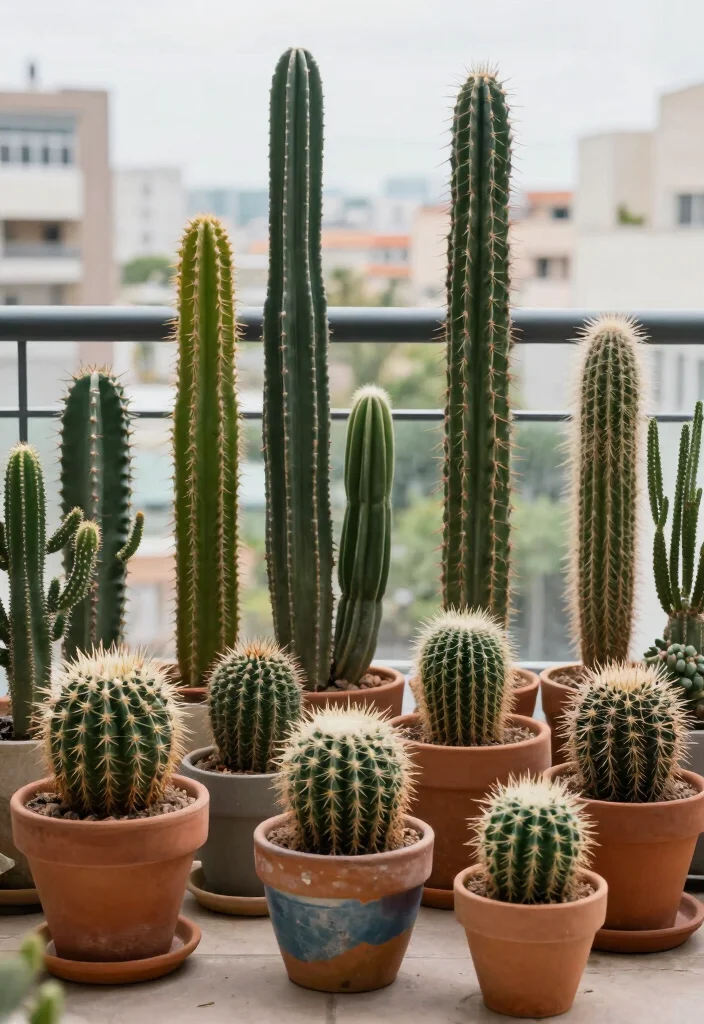
Want something unique for your balcony? Cacti offer trendy options that thrive in challenging conditions, including wind and sun. Their fascinating shapes and low water needs make them perfect for urban settings. Consider varieties like Barrel Cactus or Christmas Cactus, which can withstand strong winds while still being visually striking.
Plant them in well-draining soil and pots with drainage holes to prevent root rot. Grouping different sizes creates an eye-catching display that adds character to your balcony.
Care tips include:
– Water sparingly, allowing the soil to dry completely between waterings.
– Position them for sunlight but provide some shade during peak summer.
– Use decorative gravel around the base for added texture and drainage.
With their varied forms and resilience, cacti can bring a unique charm to your balcony garden.
9. Resilient Orchids for Elegance
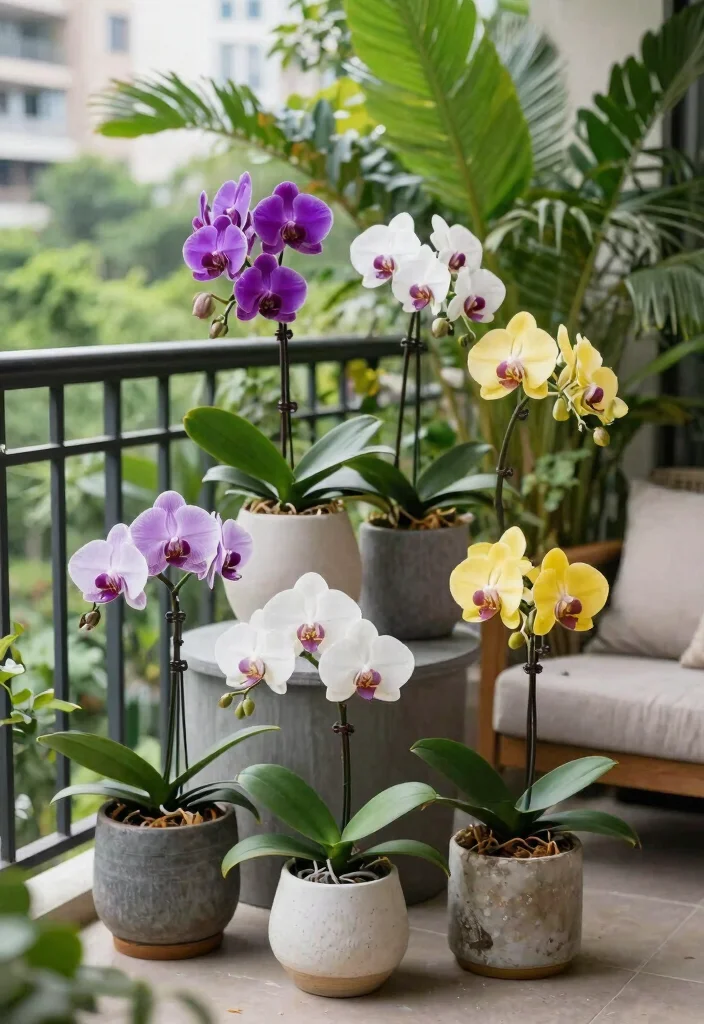
Looking to add a touch of exotic flair? Orchids can be a stunning addition to your balcony garden. Contrary to popular belief, many varieties like Phalaenopsis are quite resilient and can thrive with indirect light. Their breathtaking blooms bring elegance to any outdoor space.
Choose containers with good drainage and consider using a bark or orchid mix for planting. While they enjoy humidity, they can manage wind better than expected.
To keep your orchids thriving:
– Water weekly, ensuring excess drains completely.
– Fertilize every two weeks during the growing season with a balanced orchid fertilizer.
– Strategically place them to protect from harsh wind.
With the right care, orchids can elevate your balcony garden, adding luxury and charm.
10. Robust Aloe Vera for Utility and Beauty
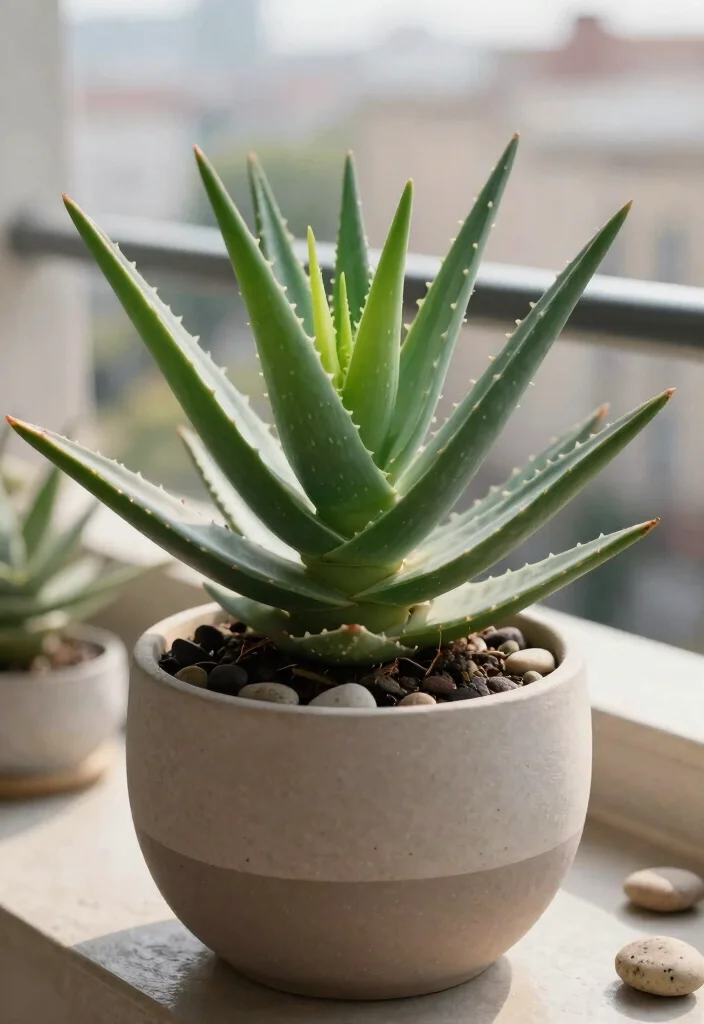
Want a plant that’s both beautiful and functional? Aloe Vera is a hardy succulent that thrives in sunny or low-light conditions, making it versatile for your balcony. Its thick leaves not only look stunning but also provide natural remedies for skin irritations and sunburns.
Plant it in a well-draining container, as it thrives on minimal watering. Aloe Vera can handle wind too, as long as it’s in a sturdy pot.
Care tips for Aloe Vera include:
– Water deeply but infrequently, allowing the soil to dry completely.
– Place it in bright, indirect sunlight for optimal growth.
– Fertilize sparingly to avoid leggy growth.
Adding Aloe Vera to your balcony not only enhances the green space but also offers practical benefits, making it a must-have plant.
Fun fact: Aloe Vera leaves are up to 96% water, helping the plant endure wind and sun on a balcony. With just 2–3 weeks between waterings and a sturdy pot, it stays lush in bright or shadowed spots.
11. Incorporating Colorful Bougainvillea
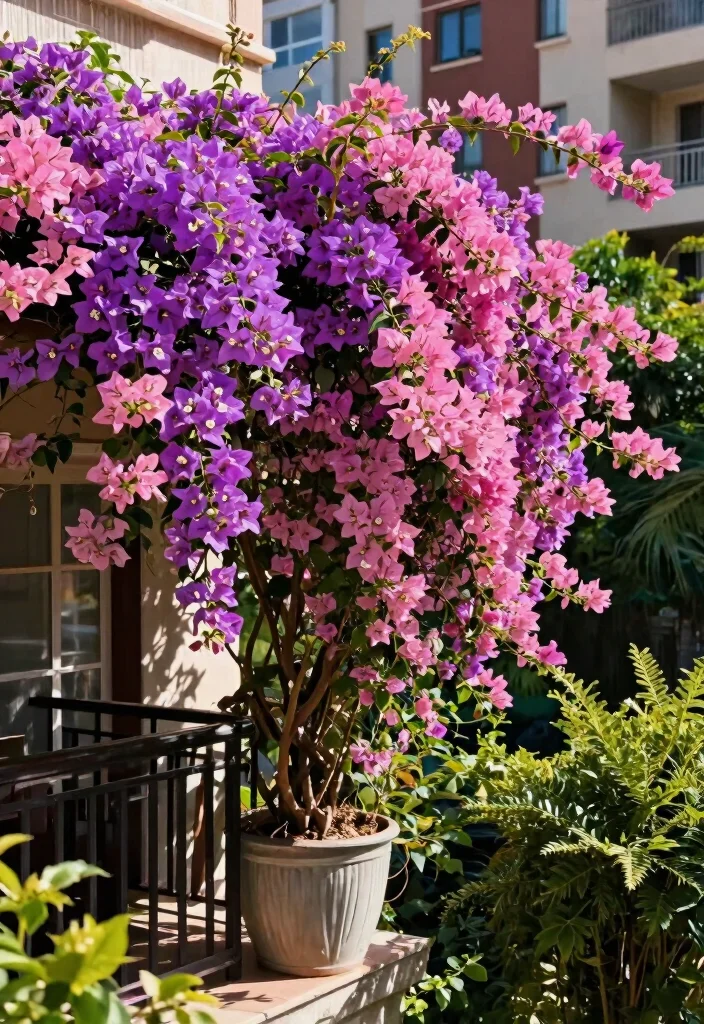
Want to make a bold statement? Bougainvillea shines with vibrant colors in your balcony garden. These hardy climbers thrive in various conditions and produce stunning clusters of flowers in shades of purple, pink, and white. They also withstand strong winds, making them ideal for exposed areas.
Plant bougainvillea in a spacious container to give its roots room to grow, ensuring it has plenty of drainage holes. While they love full sun, they can tolerate partial shade based on your balcony’s setup.
Care tips for bougainvillea include:
– Water deeply but allow the soil to dry out a bit between waterings to encourage blooming.
– Prune regularly to maintain shape and stimulate new growth.
– Fertilize monthly during the growing season for abundant blooms.
Incorporating bougainvillea adds a tropical touch and vibrant color that can enliven any balcony space.
12. Resilient Lavender for Aroma and Aesthetics
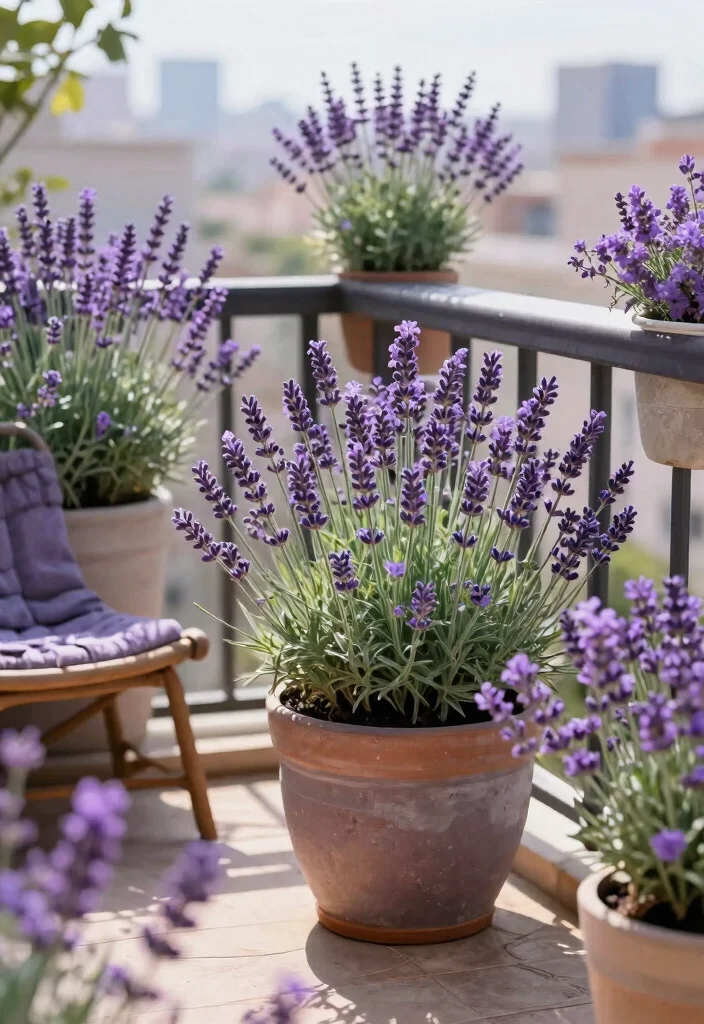
Looking for a fragrant addition to your balcony? Lavender not only looks beautiful but also fills the air with a delightful scent. This aromatic herb is resilient, thriving in wind and limited sunlight, making it a popular choice. Its purple flowers attract pollinators like bees and butterflies, enhancing your outdoor space.
Plant lavender in well-draining soil to prevent rot, as it prefers dry conditions. It thrives in pots that allow airflow around roots.
For lavender care, keep these tips in mind:
– Water sparingly, letting the soil dry out between waterings.
– Prune after flowering to keep it bushy.
– Place it in a sunny spot if possible, though it can adapt to partial shade.
With its stunning blooms and aromatic qualities, lavender elevates the atmosphere of any balcony garden.
13. Unique Shade of Coleus for Foliage
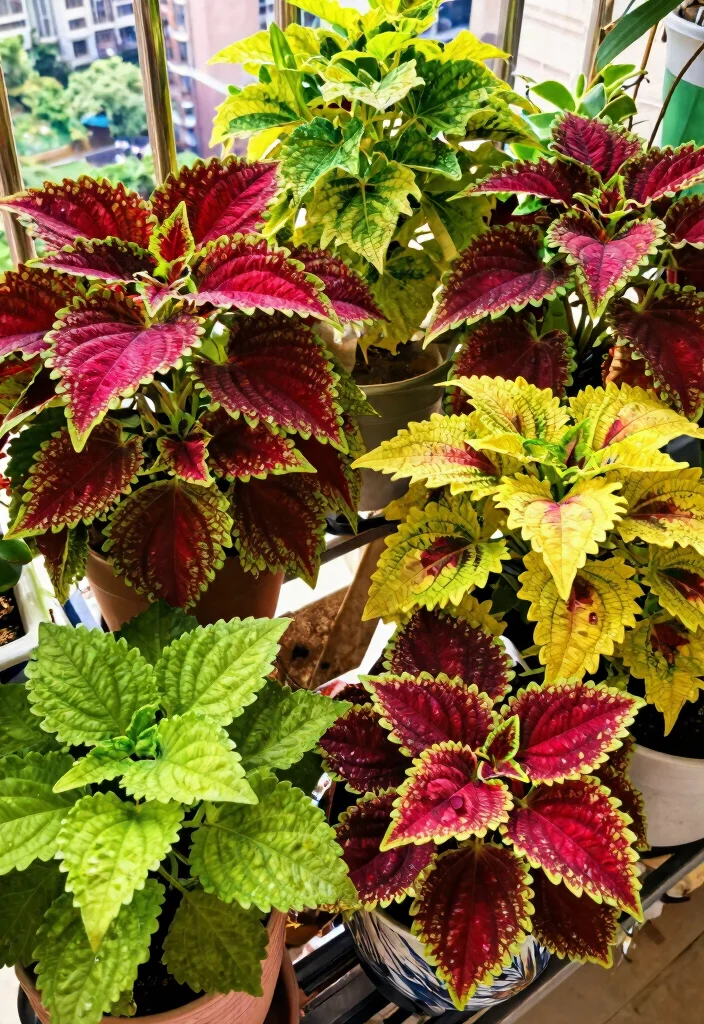
Want a pop of color in your shaded areas? Coleus plants are renowned for their vibrant foliage and intricate leaf patterns. They thrive in low-light conditions, making them perfect for balconies with limited sun exposure. While they can handle some wind, placing them in sheltered spots protects their delicate leaves.
Choose a variety of colors to create a visually stunning display that contrasts beautifully with other plants in your balcony. Coleus does well in containers and can be paired with trailing plants for a dynamic look.
To care for coleus, consider these tips:
– Keep the soil consistently moist but well-drained.
– Pinch back leggy growth to promote bushier plants.
– Fertilize monthly to maintain vibrant colors.
Adding coleus to your garden introduces a lively splash of color and texture, making your balcony truly unique.
14. Vibrant Calibrachoa for Container Gardens
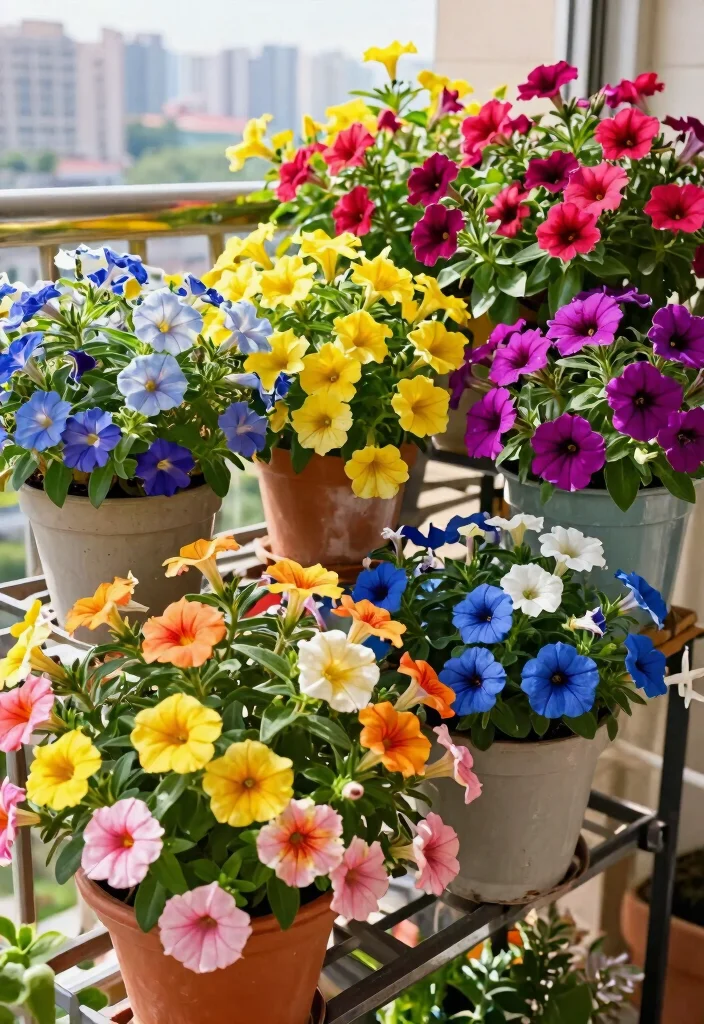
Want continuous blooms all season? Calibrachoa, also known as million bells, offers a cheerful display of small flowers. These resilient plants thrive in pots and can handle wind, adding brightness to less sunny areas on your balcony. They come in a range of colors, from soft pastels to vivid hues, making them perfect for container gardens.
Plant them in well-draining soil and choose pots with adequate drainage holes. While they enjoy full sun, they can adapt to partial shade, perfect for various balcony conditions.
For optimal care, keep these tips in mind:
– Water regularly, allowing the top inch of soil to dry out between waterings.
– Fertilize every few weeks with a balanced fertilizer for vibrant blooms.
– Deadhead spent flowers to encourage continuous growth.
Incorporating Calibrachoa into your balcony garden provides an ongoing explosion of color that delights throughout the season.
Conclusion
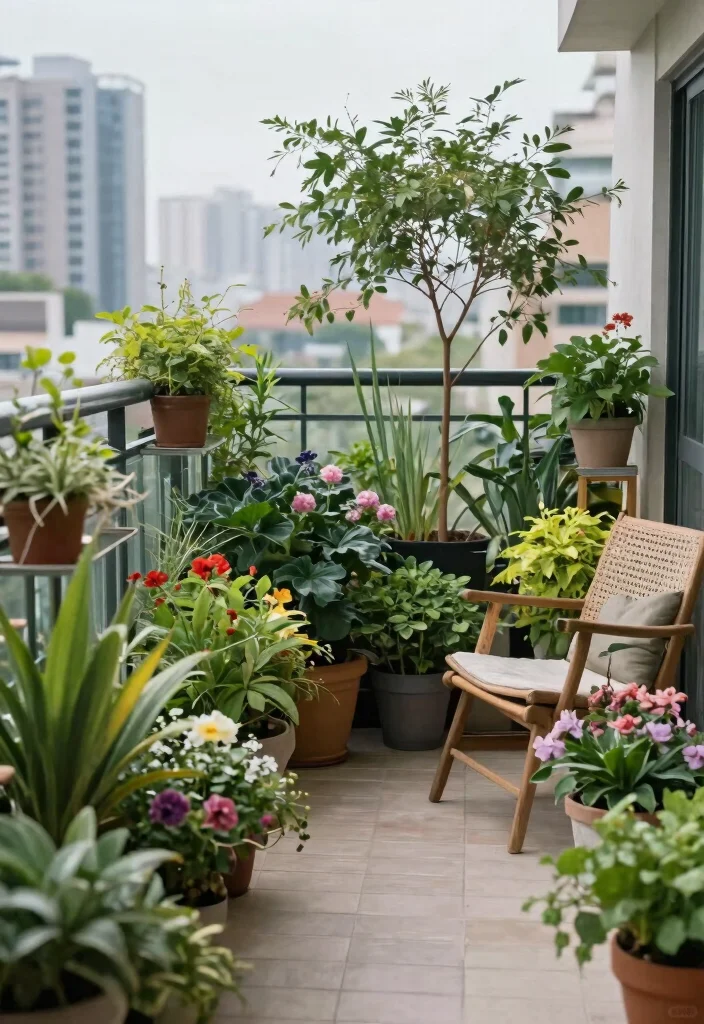
Creating a balcony garden that can withstand wind and low sunlight is not only possible but incredibly rewarding. The right plants can turn your outdoor space into a vibrant retreat, even in less-than-ideal conditions. By incorporating these resilient varieties and following essential gardening tips, you can enjoy your urban sanctuary year-round.
Start experimenting with these plants, and watch as your balcony transforms into a lush, green escape in the heart of the city!
Frequently Asked Questions
What are the best wind-resistant and low-light plants for plants in balcony?
For a balcony that faces strong gusts and limited sun, start with wind-resistant plants and low-light balcony plants suited to containers. Good options include sturdy favorites like cast-iron plant (Aspidistra), snake plant (Sansevieria), and select ferns, plus compact herbs such as thyme and oregano. Group them in heavier pots to anchor them, and use a simple windbreak (privacy panel or lattice) to cut the breeze. This approach aligns with balcony gardening tips and helps your plants in balcony stay vibrant even in windy, shady conditions.
How can I maximize sunlight and optimize conditions for plants in balcony with limited sun?
Make the most of scarce light by focusing on light-reflecting and sun-tracking tactics. Move pots so they catch the brightest available rays, rotate containers weekly, and use light-colored or reflective pot saucers to bounce as much light as possible. Place soil and mulch to conserve moisture without shading roots, and choose low-light balcony plants labeled as shade-tolerant. Pair these steps with a micro-habitat near a wall to protect from wind, and you’ll improve overall health for your plants in balcony while staying true to balcony gardening tips.
Which container gardening ideas work best for a windy balcony?
Opt for heavy pots or fill existing planters with weight (soil, water, or decorative stones) to prevent tipping in gusts. Use container gardening ideas like tiered or staggered pots to create a windbreak, and group plants to share microclimates and reduce drying wind. Add simple wind barriers such as a lightweight screen or lattice near the railing, and choose compact, balcony-friendly varieties. All of this supports smart urban gardening solutions and keeps your plants in balcony thriving despite the breeze.
What maintenance routines keep wind-stressed, low-light balcony plants healthy?
Create a simple, repeatable routine: check drainage and water consistently (wind dries soil quickly, so don’t overwater but don’t let roots dry out), prune damaged leaves to reduce stress, and feed lightly with a balanced fertilizer during active growth. Regularly inspect for pests, wipe dust off leaves to improve light absorption, and rotate plants to ensure even light exposure. By sticking to these balcony gardening tips, your plants in balcony will stay robust in windy, low-light conditions.
What budget-friendly ways can I create a windbreak and microclimate for urban balcony gardens?
You don’t need expensive gear to protect your greenery. Try affordable windbreaks like bamboo screens, lattice panels, or a simple outdoor fabric barrier. Use clustering of pots at varying heights to break the wind and build a microclimate near walls. Add climbers on a slim trellis to soften gusts and provide additional shade where needed. These urban gardening solutions support effective container gardening ideas and make it easier to care for plants in balcony even in breezy cities.
Related Topics
balcony gardening
wind-resistant plants
low-light plants
urban gardening
container gardening
beginner friendly
easy care plants
small space solutions
sustainable gardening
winter balcony plants
drought-tolerant plants
vertical gardening